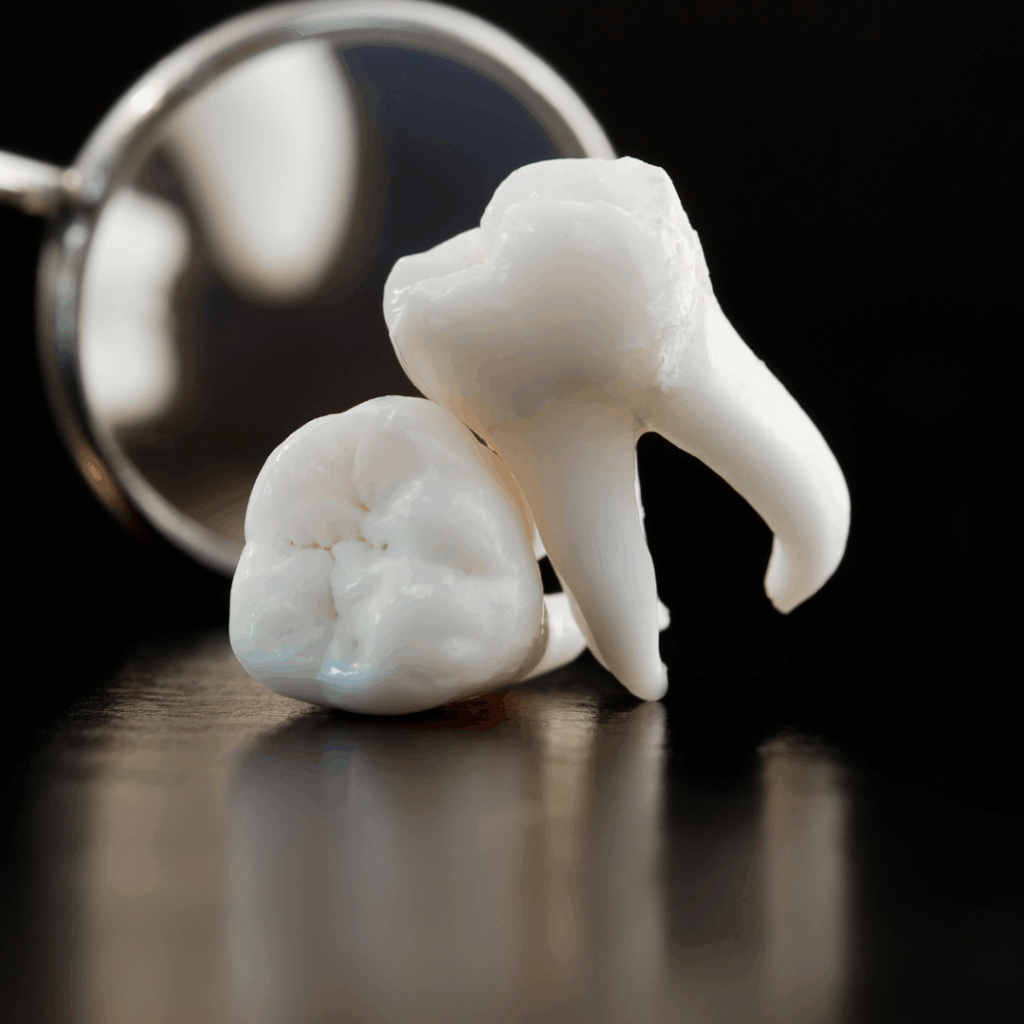
A lot of people assume wisdom teeth only need to come out if they’re infected, crooked, or causing crazy pain. Seems logical, right? But the truth is a bit messier. Even healthy-looking wisdom teeth can still bring a ton of problems later, quiet stuff that brews under the surface until it becomes a bigger and more expensive headache. This is why many dentists recommend getting ahead of the trouble. In places where specialists deal with this every day, such as Wisdom Teeth Removal in Louisville KY, pulling them early is often the safest move. Let’s break it down in a simple, no-nonsense way.
Why “Healthy” Wisdom Teeth Aren’t Always Actually Healthy
On the surface, your wisdom teeth might not look like they’re doing anything wrong. They’re not hurting. They seem straight. They’re not bugging you. But here’s the catch: wisdom teeth are sneaky. They grow way in the back where it’s nearly impossible to clean well, and bacteria absolutely love hiding there. Even if you brush like a champ, that back-corner real estate becomes a perfect trap for decay and gum irritation. You may not notice the signs until things get serious, which is why dentists push for early checks and planned removal instead of waiting until everything falls apart, including your schedule.
Your Jaw Is Built Differently Than Your Ancestors’
This part always surprises people. We don’t have the same jaw structure humans had hundreds (or thousands) of years ago. Our diets changed, which changed how our jaws developed. Today, most people simply don’t have the space to hold four bonus molars. So even if they break through the gums and look “fine,” they’re often crowded. Crowded teeth lead to pressure, shifting, and eventually pain that seems to come out of nowhere. This is one of the big reasons dentists recommend healthy wisdom teeth removal before those late-night throbbing sessions become your new unwanted hobby.
They Can Damage the Teeth You Actually Care About
You know those nice, reliable molars you use every single day? Sometimes, wisdom teeth get stuck in their space so tightly that they start causing deep pockets where bacteria get in. The next thing you know, the tooth next to the wisdom tooth, the one that you were thinking of saving, is going to have cavities and bone loss. Not fun. That tooth becomes the victim, and now you’re dealing with way more than just pulling a wisdom tooth. Sometimes removing a “healthy” wisdom tooth is really about protecting the tooth in front of it, which does most of the chewing work.
They Grow at Weird Angles: Even If You Don’t Feel It Yet
Just because your wisdom teeth aren’t hurting doesn’t mean they’re growing straight. Some tilt forward. Some lean sideways. Others sit flat like they’re sunbathing. And some never come through the gums at all but stay trapped underneath (that’s called impaction). Sometimes wisdom teeth grow in at weird angles. They can push against the tooth next to them or press into the jaw. You might not feel anything at first, but the pressure builds slowly. And when the pain finally shows up, it usually happens all at once.
Gum Problems Start Quietly, Then Get Ugly
Your gums are another big reason dentists want to act early. Teeth of wisdom routinely result in the formation of half-open gums, tiny openings where food is trapped, and bacteria are having a good time. Although you might not notice the infection developing, the inflammation is still occurring.
And once those gum issues start, they spread forward. Mild swelling becomes deep gum disease before you even know what’s happening. This is a huge reason specialists who perform procedures like Wisdom Teeth Removal in Louisville KY, recommend removing them before gum trouble gets out of control.
Your Dentist Can See Issues You Can’t
This is the part people overlook. You don’t have X-ray vision. Your dentist does, well, through imaging anyway. They can see cysts forming, bone changes, root problems, or infections growing underneath your gums long before you feel a single thing. By the time pain hits, the problem has usually been around for months or years. Removing wisdom teeth early often isn’t about reacting to pain. It’s about preventing a major issue that would’ve been avoidable with a simple appointment.
It’s Easier to Heal When You’re Younger
It is a general truth that with age, healing gets harder. Young bones have faster healing power, blood flow can be managed more conveniently, and swelling behavior is more certain. If you consider it at the age of 35 or 40, then the procedure would be more difficult, and healing would take more time. Hence, dentists recommend scheduling healthy wisdom teeth removal during youth, not adulthood, due to slower recovery rates and a busy schedule.
Where 502 Oral Surgery Fits, In
If you want this done right, you want a practice that handles wisdom teeth day in and day out. That’s exactly what our team at 502 Oral Surgery does. Our entire setup, from imaging to sedation to aftercare, is built for procedures like this. We know the problems wisdom teeth cause, even the quiet ones most people overlook. Whenever a specialist is there to guide you through the process, you get immediate responses, unambiguous actions, and an easier recovery. In this case, there is no uncertainty, no strain, just true proficiency.
Conclusion: Healthy Doesn’t Always Mean Safe
Wisdom teeth are tricky. They can look fine, feel fine, and still cause long-term problems that show up when you least expect them. Taking them out before the issues start isn’t about being dramatic; it’s about being smart. If your dentist is recommending healthy wisdom teeth removal, they’re doing it to protect your future, not ruin your week. A little planning now saves you from a big problem later. And honestly, that’s a trade most people are happy to make once they understand what’s really going on.
FAQ
Do healthy wisdom teeth still need to come out?
Yes, because many problems happen silently, such as crowding, gum pockets, root pressure, and hidden decay.
What are the signs that my wisdom teeth might cause issues later?
Tightness, crowding, jaw soreness, or the feeling that the food is getting trapped behind molars are early warning signs.
Is removal easier when you’re younger?
Absolutely. Younger bone heals faster, and the procedure is usually smoother.
Can wisdom teeth damage nearby teeth?
Yes. They can push into the second molars and create pockets where decay starts.
How long does recovery take?
Most people feel mostly normal in 3–5 days, with full healing over a few weeks.