Swelling is a common and expected part of the healing process after oral surgery. Whether you have undergone wisdom tooth removal, dental implant placement, bone grafting, or another surgical procedure, some degree of swelling is a normal response as the body begins repairing the area.
For many patients, facial swelling can feel alarming at first, particularly during the first few days after surgery. In most cases, however, swelling follows a predictable pattern and gradually improves with proper postoperative care.
At 502 Oral Surgery, patients are provided with detailed recovery instructions to help minimize discomfort and support healthy healing after surgery.
Why Swelling Happens After Oral Surgery
Following surgery, the body increases blood flow and fluid delivery to the treated area as part of the natural healing response. This inflammatory process helps protect tissues and supports recovery.
As a result, temporary swelling develops around the surgical site and surrounding facial tissues.
In most cases:
- Swelling begins within the first 24 hours
- Peaks around 48 to 72 hours after surgery
- Gradually improves over the following several days
This pattern is generally considered a normal part of healing.
What Normal Swelling Looks Like
After oral surgery, it is common to experience:
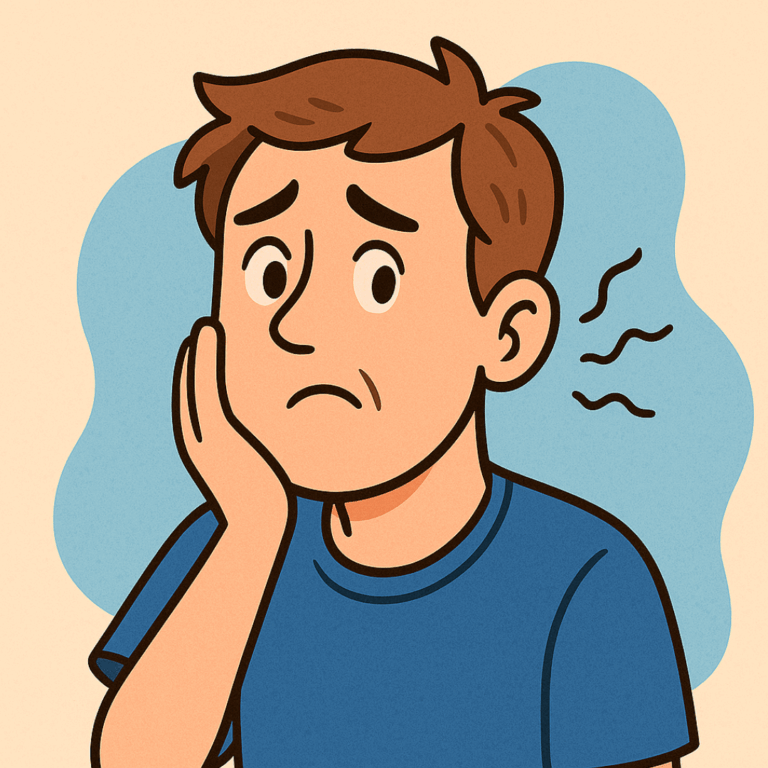
- Puffiness or swelling in the cheeks or jaw
- Mild facial asymmetry
- Jaw stiffness
- Difficulty opening the mouth fully
- Mild tenderness around the surgical area
More extensive procedures may produce more noticeable swelling, particularly during the first few days. This does not necessarily indicate a complication.
Factors That Affect Swelling
The amount of swelling varies from patient to patient and depends on several factors, including:
- The complexity of the procedure
- Length of surgery
- Number of surgical sites treated
- Individual healing response
- Existing inflammation or infection before surgery
Some patients naturally experience more postoperative swelling than others, even when healing normally.
Recovery Habits That Help Reduce Swelling
Following postoperative instructions carefully can significantly improve comfort and support healing.
Helpful strategies include:
Applying Ice Packs
Cold compresses are most effective during the first 24 to 48 hours after surgery. Applying ice intermittently helps reduce inflammation and minimize swelling.
Keeping Your Head Elevated
Sleeping with the head slightly elevated may help limit fluid accumulation and reduce facial swelling.
Avoiding Strenuous Activity
Heavy exercise and physical exertion can increase blood flow and worsen swelling during the early healing phase.
Staying Hydrated and Rested
Proper hydration, nutrition, and rest support the body’s healing process and help reduce recovery time.
How Diet Affects Healing
Food choices can influence both comfort and recovery after oral surgery.
During the initial healing period, patients are typically advised to consume:
- Soft foods
- Cool or lukewarm foods
- Smoothies
- Yogurt
- Soups
- Mashed foods
Hard, crunchy, spicy, or very hot foods may irritate the surgical area and contribute to discomfort or prolonged inflammation.
Sedation and Recovery
Some patients notice temporary differences in recovery depending on the type of anesthesia or sedation used during surgery.
Deeper forms of sedation may leave patients feeling fatigued longer during the first postoperative day, although they are not typically a direct cause of increased swelling. The extent of surgical treatment itself generally has a greater influence on postoperative inflammation.
When Swelling May Indicate a Problem
Although swelling is expected after oral surgery, certain symptoms may suggest infection or another complication.
Patients should contact their oral surgeon if swelling:
- Continues worsening after the third or fourth day
- Is accompanied by fever
- Causes increasing or severe pain
- Produces pus or drainage
- Is associated with a foul taste or odor
- Interferes with swallowing or breathing
Early evaluation helps identify and treat complications before they become more serious.
How Long Does Swelling Last?
For most patients, swelling improves significantly within one week after surgery.
The typical recovery pattern includes:
- Initial swelling during the first 24 hours
- Peak swelling at 48–72 hours
- Gradual improvement over the next several days
Mild residual swelling may occasionally persist slightly longer after more extensive procedures, but the overall trend should steadily improve over time.
Guidance From the Team at 502 Oral Surgery
At 502 Oral Surgery, postoperative swelling is one of the most common recovery concerns patients experience.
In the majority of cases, swelling is a normal part of healing and resolves gradually with proper care. Patients are encouraged to follow postoperative instructions closely and contact the office if symptoms appear unusual or fail to improve as expected.
Clear communication and close follow-up help ensure a smoother recovery process and provide reassurance during healing.
Final Thoughts
Swelling after oral surgery is both common and temporary. While the degree of swelling varies depending on the procedure and individual healing response, most patients experience gradual improvement within several days.
Careful aftercare, proper rest, and attention to postoperative instructions can help minimize discomfort and support a healthy recovery.
If swelling worsens unexpectedly or is accompanied by fever, severe pain, or other concerning symptoms, it is important to contact your oral surgeon for evaluation.
FAQ
Is swelling normal after oral surgery?
Yes. Swelling is a normal part of the body’s healing response after oral surgery and typically peaks within two to three days before gradually improving.
How can I reduce swelling after oral surgery?
Applying ice packs during the first 24–48 hours, keeping your head elevated, resting, and following postoperative instructions can help reduce swelling.
When should I be concerned about swelling?
You should contact your oral surgeon if swelling continues worsening after several days or is accompanied by fever, severe pain, pus, or difficulty swallowing.
Can swelling last longer than a week?
Mild residual swelling may persist slightly longer after more complex procedures, but noticeable improvement should occur steadily over time.