
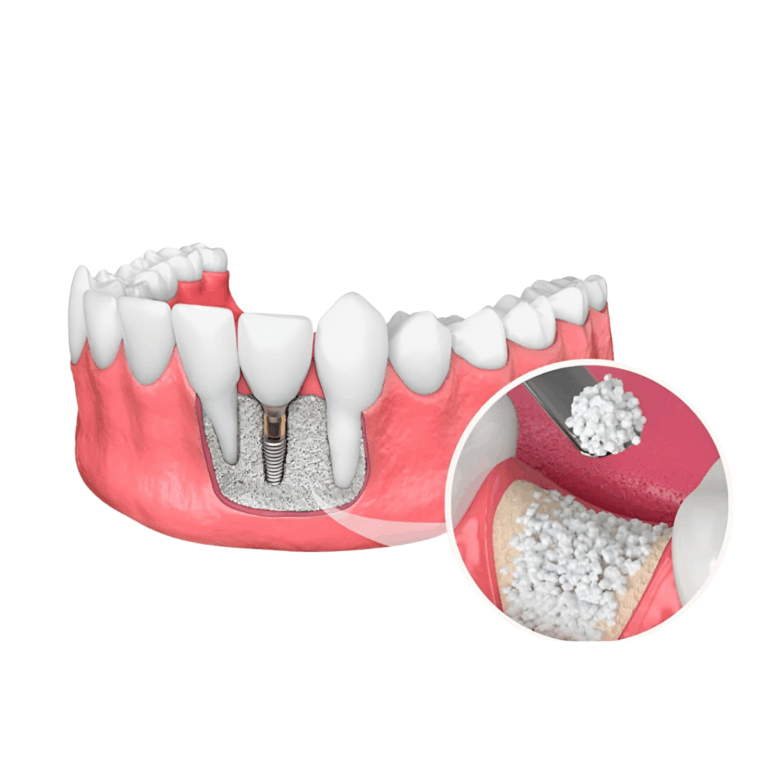
Not always. The need for bone grafting depends on three factors, which include your jawbone condition, your overall health, and the duration of your tooth loss.
Some people can get implants right away. Others need a little prep first.
What Matters for Dental Implants?
Dental implants need one thing above all else. A strong jawbone. If you do not have a solid foundation for your implants, they will not hold long term.
When Is Bone Grafting Actually Needed?
You might need it if:
- You lost a tooth years ago
- You have gum disease
- Your jawbone is naturally thin
- You had trauma or injury in that area
But if your tooth was removed recently and your bone is still healthy, you might skip that step entirely. A quick scan from your oral surgeon usually tells the full story.
Signs You Might NOT Need It
Here’s the good news. Many people don’t.
You might be able to go straight to implants if:
- Your jawbone is still thick and dense
- The tooth loss is recent
- There’s no infection or damage
- Your gums are in good shape
In these cases, the implant can be placed without any extra procedures. Faster, simpler, less waiting.
What Is a Dental Bone Graft and Why Is It Done?
A dental bone graft is basically a way to rebuild lost bone. The surgeon adds bone material to the weak area so your body can grow new bone there over time.
The material used can come from:
- Your own body
- A donor source
- Synthetic materials
Over a few months, your body accepts it and turns it into strong, natural bone.
Bone Grafting vs. Immediate Implants
Some cases allow what’s called immediate implants. That means placing the implant right after tooth removal.
Other cases need a staged approach. There’s no “one size fits all” here. Your mouth decides the plan, not a checklist.
This is why a proper evaluation matters so much.
What Happens If You Skip It When You Need It?
If the bone isn’t strong enough:
- The implant may not fuse properly
- It could loosen over time
- It might fail completely
Fixing a failed implant is harder than doing things right the first time. So while it’s tempting to skip steps, it’s not always worth the risk.
How 502 Oral Surgery Looks at It
At 502 Oral Surgery, we don’t push procedures you don’t need. We look at your scans, your bone structure, and your long-term outcome. If your jaw is ready, we move forward. If it’s not, we build it up the right way.
Final Thoughts
So, do you always need bone grafting before dental implants? No. It all comes down to your bone health. Some people walk in ready for implants. Others need a little groundwork first. Neither is “better” nor “worse.” It’s just different starting points.
The best thing you can do is get evaluated early. The sooner you act, the more options you usually have.
FAQs
Does 502 Oral Surgery always recommend bone grafting before implants?
No, 502 Oral Surgery only recommends bone grafting when it’s actually needed. Every case is different. They evaluate your jawbone with detailed imaging and only suggest it if your implant wouldn’t be stable without it. The goal is long-term success, not adding unnecessary procedures.
How long does it take to heal after a bone graft?
Your body response and the size of the graft are two factors that determine the duration of healing. The majority of individuals are prepared to have implants in 3 to 6 months. The grafting procedure lays the foundation of future medical processes, which will take place within the grafting period.
Is getting a bone graft painful?
Most people say it’s not as painful as they thought. It may cause you some discomfort that lasts for a few days, yet you can manage it with basic medication and rest. The procedure will not cause you any sensations because the staff will administer numbing medication to you. The healing process becomes simple when you complete the required aftercare procedures.
Can dental implants fail without enough bone?
Yes, implants require robust bone to be secure. They might not fuse properly and/or may become loose with time without sufficient support. This is why it is essential to evaluate properly before treatment. The success rate and life of the implants in question are much enhanced by constructing a strong base to begin with.