Well, most people don’t think about what’s going on under their gums until a dentist brings it up. Bone grafting. Nerve repositioning. It all sounds like a lot. And if you’ve been told you might need Bone Grafting in Louisville KY, you’re probably wondering what that has to do with nerves, implants, or anything else happening in your jaw. This blog eliminates the confusion and clarifies, in simple terms, the occasions when bone grafting precedes nerve repositioning and the reason it is not a mere additional step. If you seek understanding free from the medical terminology, you have found the right spot.
When the Bone Isn’t Thick Enough
Sometimes the jawbone just isn’t strong or thick enough to support what comes next. Maybe you lost a tooth years ago. Maybe infection ate away at the bone. Or maybe your anatomy just didn’t give you much to work with.
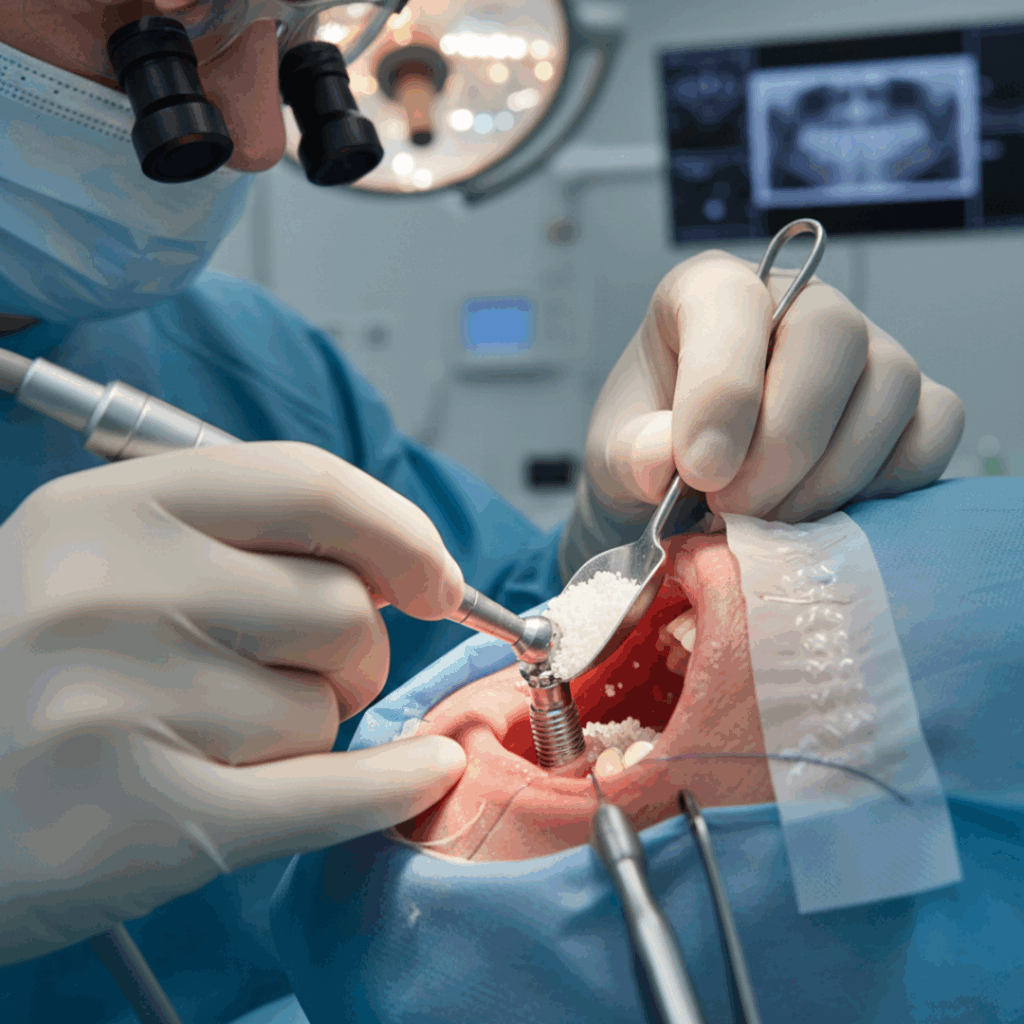
In those cases, your surgeon may recommend Bone Grafting in Louisville KY before anything nerve-related because you need a stronger “base layer” before they go any deeper. Think of it like patching drywall before hanging cabinets; if the wall can’t hold it, nothing else works.
Why Surgeons Don’t Rush Straight to Nerve Work
Nerves are tricky. They don’t like being messed with. The nerve is very close to the surface when the jawbone is thin. Repositioning a nerve without the proper bone support is like trying to repair live electrical wires in a wall with no insulation around. You might get tingling or numbness as a side effect of your wrong move that lasts for a long time. By first reinforcing the bone, the surgeon is provided with space for his work and the nerve is kept secure throughout the operation.
When Nerve Repositioning Even Enters the Conversation
Most people don’t ever need nerve repositioning in Louisville KY. It’s only brought up when the nerve sits right in the path of where an implant should go. This usually happens in the lower jaw. If the nerve is too close and the bone is too thin, implants simply can’t be placed safely. That’s when repositioning becomes an option. But again, it’s only an option once the bone gives the surgeon the space they need.
Signs You Probably Need Bone Grafting First
Here’s the quick, no-nonsense checklist:
- Missing teeth for years
- Bone looks thin on your scan
- Nerve sits too close to the ridge
- Your surgeon says an implant would hit the nerve
When these things overlap, grafting before nerve work just makes sense. It lowers the risk and raises the chances that everything else goes smoothly.
How Your Surgeon Decides the Timing
There’s no guesswork here. It’s not a “let’s try this and see what happens” situation. Surgeons use 3D imaging to measure your bone and map the nerve. If they see that the bone can’t support the procedure, or that the nerve is in the danger zone, they fix the bone first. That’s where the third mention of Bone Grafting in Louisville KY fits in. It’s all about creating the safest layout before doing anything delicate.
What Healing Looks Like Between the Two Procedures
One thing most people don’t think about is the space between bone grafting and nerve work. There’s a healing window, usually a few months, where the graft settles in and becomes part of your natural jaw. During this time, you won’t feel anything dramatic happening. No weird buzzing. No strange pressure. Just normal healing.
Your surgeon will check the area with follow-up scans to make sure the new bone is stable and strong enough for the next step. This period is important because rushing it can lead to complications later. The stronger the healed bone, the smoother and safer the nerve procedure goes.
Where 502 Oral Surgery Comes In
502 Oral Surgery handles these cases every day. We don’t oversell, and we don’t sugarcoat. We walk you through the scans, show you exactly what’s happening under the gums, and explain the steps without giving you a medical lecture. If you need grafting, we’ll tell you why. If you need nerve repositioning, we’ll show you the plan. It’s straight-up, clear, and honest.
Conclusion
At the end of the day, bone grafting before nerve work isn’t about making the process longer. It’s about safety. Better foundation. Fewer risks. Better long-term results. So if you’ve been told you may need nerve repositioning in Louisville KY, just know that the groundwork, literally, has to be right first. Strong bone gives the surgeon the space to move the nerve safely and gives you the best shot at implants that feel solid and last.
Need Proper Dental Guidance? [Contact Us Now]
FAQs
- How do I know if I need bone grafting before nerve repositioning?
Your surgeon will review your 3D scan and show you if the bone is too thin for safe nerve work. - Is bone grafting painful?
Most people describe it as mild soreness for a few days, nothing extreme, and very manageable. - Is nerve repositioning risky?
The risk is low when it’s done by a trained oral surgeon using proper imaging and planning. - How long does healing take?
Bone grafts usually need a few months. Nerve repositioning often heals faster. - Can I still get implants afterwards?
Yes. In fact, nerve repositioning is often what makes implants possible in the first place.