
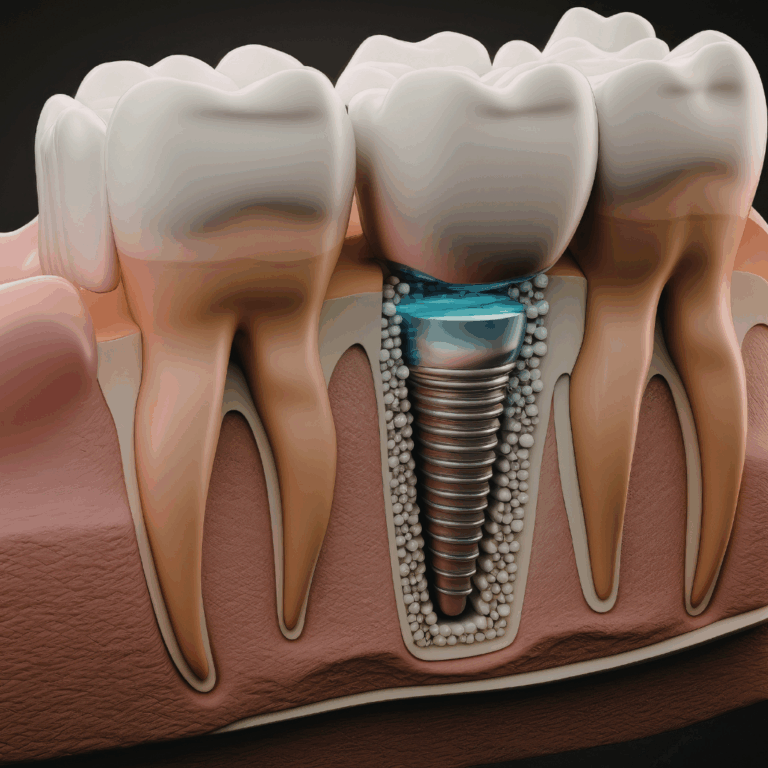
Dental implants are widely considered one of the most reliable long-term solutions for replacing missing teeth. When properly placed and maintained, they can function for decades. However, like any medical or dental treatment, they are not completely immune to complications.
Late implant problems are uncommon, but they can occur years after the initial procedure. The key is that most issues develop gradually and often provide early warning signs before more serious failure occurs.
At 502 Oral Surgery, long-term implant success is closely linked to careful planning, precise surgical placement, and ongoing maintenance.
Can Dental Implants Actually Fail Years Later?
Yes, dental implants can fail years after placement.
However, it is important to understand what “failure” means in this context. Implants themselves are made of durable materials such as titanium and do not decay like natural teeth. Late failure typically occurs because of changes in the surrounding bone or gum tissue, not because the implant itself breaks down.
Think of a dental implant like a foundation. If the surrounding support weakens over time, the stability of the entire structure can be affected.
Late-stage implant complications are most often associated with:
-
Bone loss around the implant
-
Infection in the surrounding tissues
-
Progressive loosening of the implant
Peri-Implantitis: Gum Disease Around Implants
One of the most common causes of late implant problems is a condition called peri-implantitis. This is an inflammatory infection that affects the gums and bone surrounding a dental implant.
It develops when bacteria accumulate around the implant surface, leading to:
-
Gum inflammation
-
Bone deterioration
-
Gradual loss of implant support
Poor oral hygiene is one of the primary contributing factors, though other health and lifestyle factors may also play a role.
Warning Signs of Dental Implant Problems
Implant complications often develop slowly. Recognizing early symptoms is important for preventing more serious damage.
Common warning signs include:
-
Bleeding or inflamed gums around the implant
-
Swelling or redness in the surrounding tissue
-
Discomfort when chewing
-
A loose or shifting implant
-
Persistent bad taste or odor
These symptoms should not be ignored, as they may indicate underlying infection or bone loss.
Bite Forces and Long-Term Wear
Over time, natural changes in the bite can also contribute to implant complications. Teeth may shift slightly, and habits such as grinding or clenching (bruxism) can place excessive pressure on implants.
When excessive force is applied consistently, it can contribute to:
-
Stress on the implant and surrounding bone
-
Gradual bone loss
-
Loosening of the implant over time
In many cases, protective measures such as night guards may be recommended to reduce these risks.
The Importance of Proper Implant Placement
Long-term implant success begins at the time of surgery. Accurate positioning, adequate bone support, and proper angulation all play a major role in stability over time.
If an implant is placed in a suboptimal position or in insufficient bone, it may function normally for a period of time but become more vulnerable to complications later.
This is why careful planning and advanced imaging are critical before and during treatment.
Who May Be at Higher Risk?
Certain factors can increase the likelihood of long-term implant complications, including:
-
Poor gum health or untreated periodontal disease
-
Insufficient jawbone volume
-
Uncontrolled medical conditions such as diabetes
-
Smoking or tobacco use
-
Inconsistent oral hygiene habits
A thorough evaluation helps identify these risks before treatment begins.
Does Cost Affect Long-Term Success?
While cost alone does not determine implant success, treatment quality and planning can influence long-term outcomes.
Important factors include:
-
Quality of implant materials
-
Precision of surgical planning
-
Experience of the surgical team
-
Follow-up care and maintenance
Long-term success is more closely tied to these factors than to initial price alone.
Final Thoughts
Dental implants are a highly predictable and long-lasting solution for missing teeth, but they require ongoing care. While late complications are uncommon, they can occur if the surrounding bone or gums become compromised.
Most importantly, implant problems rarely happen suddenly. They usually develop slowly and can often be detected early with routine checkups.
With proper hygiene, regular monitoring, and timely intervention when changes occur, dental implants can remain stable and functional for many years.
FAQ
Can dental implants fail years after placement?
Yes, although it is uncommon. Late failure is usually related to bone loss, infection, or excessive bite forces rather than the implant itself breaking.
What is the most common cause of late implant problems?
Peri-implantitis, an infection of the gums and bone around the implant, is one of the most common causes.
Can a failed dental implant be replaced?
In many cases, yes. The area is first treated and allowed to heal, and bone grafting may be required before placing a new implant.
How long do dental implants usually last?
With proper care, dental implants can last 15–25 years or longer. Longevity depends on oral hygiene, health conditions, and regular dental maintenance.